Types of Kebab: A Guide to History, Styles & London Kebab Culture
Kebabs are one of the UK's most loved foods – often the first thing that comes to mind after a night out. With well over 20,000 kebab shops across the country, it's worth understanding where the dish came from and how it became such a fixture of British food culture before diving into the different types of kebab worth trying.
What Is a Kebab?
At its simplest, a kebab is meat (or, increasingly, a plant-based alternative) that's marinated, seasoned, and cooked over direct heat or on a rotating spit – traditionally skewered, though not always. What defines a kebab isn't one fixed recipe but a shared method: bold spicing, high-heat cooking, and usually served with bread, salad and sauce. From there, the type of kebab changes dramatically depending on the meat, the cut, and the cooking method used.
A Brief History of Kebabs in the UK
Meat and bread have always sat at the centre of the British diet, so when the kebab arrived, it landed as a genuine revelation – lamb and exotic spices, sesame-topped bread in place of plain sliced loaf, and a flavour combination post-war Britain simply hadn't tried before.
The kebabs served in the UK today look quite different from their Turkish origins. What started in the 1940s with roomali roti has since shifted to flatbread and flour wraps, with ketchup and iceberg lettuce joining the more traditional toppings – small, steady changes that turned an imported dish into a proper British high-street staple.
Different Types of Kebab
Shish Kebab – The Classic Entry Point
Traditionally skewered lamb (though chicken and fish versions are common too), grilled alongside vegetables cooked separately. If you're new to kebabs, shish is usually the easiest place to start. For how it actually compares to doner in taste, spice and technique, see our full shish vs doner breakdown.
Adana Kebab – The Traditional One
Originating in southern Turkey, Adana is made from minced lamb or beef mixed with spiced red pepper, garlic and cumin, then cooked over an open flame. It's a dish with genuine history behind it – a fusion of Turkish and Arab culinary traditions going back centuries – and the cooking method alone makes it instantly recognisable.
Doner Kebab – The Popular One
The one most people picture first: meat cooked on a slow-rotating spit, shaved into thin slices, and served in pitta with yoghurt sauce and vegetables. It's arguably the most-loved kebab on the planet, with that unmistakable neon-lit doner sign showing up from British high streets to Turkish markets alike. Our dedicated doner vs shish guide goes deeper into exactly what's in it and how it's made.
Chicken Kebab – The Universal One
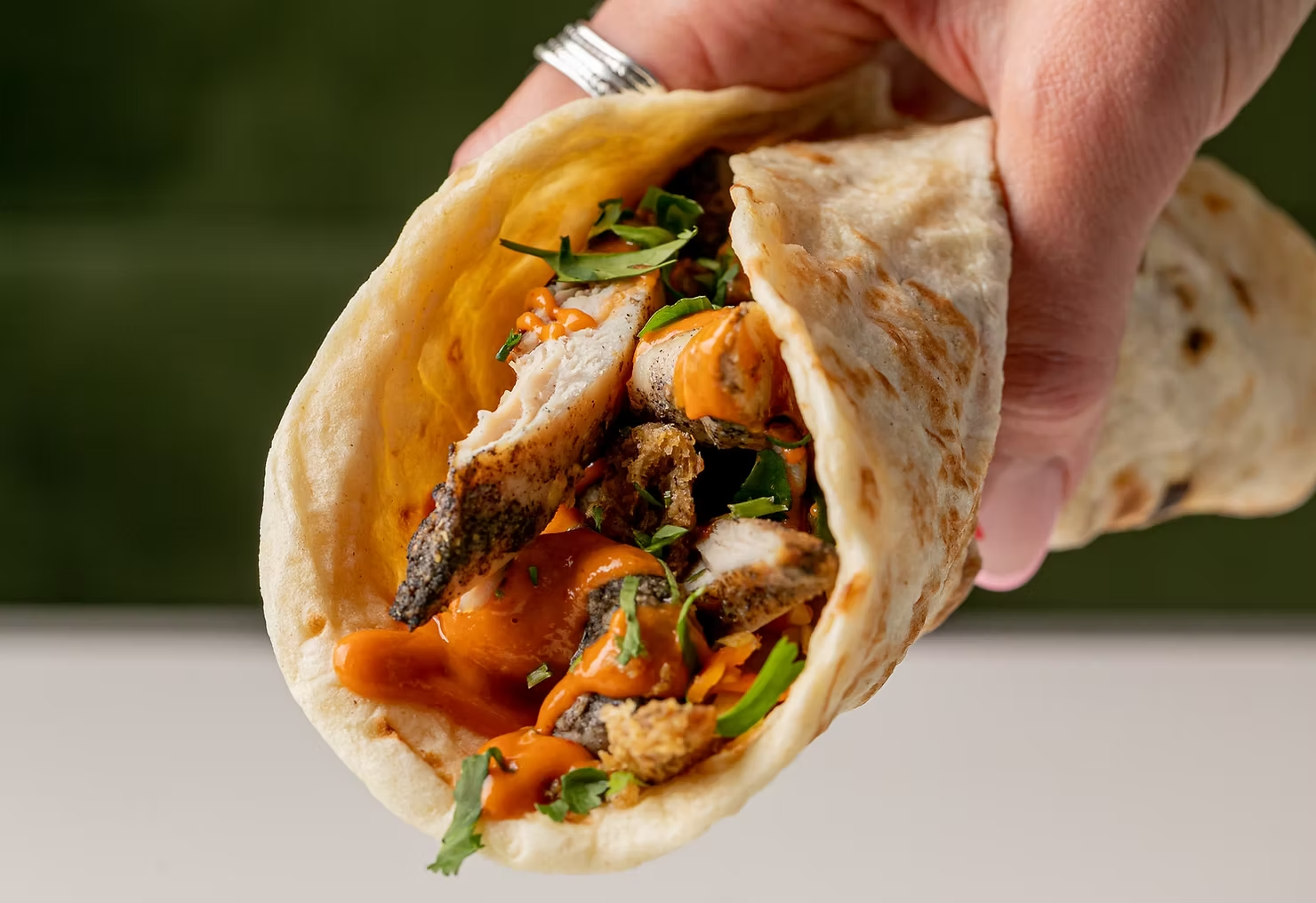
Across the Middle East and South Asia, chicken kebab is often the most popular type of all – leaner than most alternatives and genuinely simple to make, with a marinade built from paprika, garlic and a handful of other spices before grilling or roasting.
Fish Kebab – The Unique One
A favourite in Iran and across the Persian Gulf, typically made with whitefish from the Caspian Sea, peppers, and a marinade built to bring out the fish's flavour rather than mask it. Fish kebab is far less common in the UK than the other types, but well worth trying if you come across it.
Meatless Kebabs
Vegan and vegetarian kebabs have moved well past being a fallback option – plant-based takes on kebab classics are, in a lot of cases, genuinely better than the originals they're based on. With around 1% of the UK population eating fully plant-based, and a growing number of reducetarians cutting back on meat without cutting it out entirely, most kebab restaurants now serve conventional and plant-based versions side by side.
The flavour in a kebab was never just about the meat to begin with – it's the spice blend, the marinade and the sauce doing most of the work, which is exactly why meatless versions hold up. If you want to try building one yourself, we've put together a full vegan kebab recipe worth a go at home.
Kebabs have been part of British food culture since the 1940s, and like most imported dishes the UK has taken a liking to, they've been steadily reshaped to suit local tastes ever since. Whatever type of kebab you're after – from a classic doner to something further off the beaten path like fish kebab – there's a version worth trying.
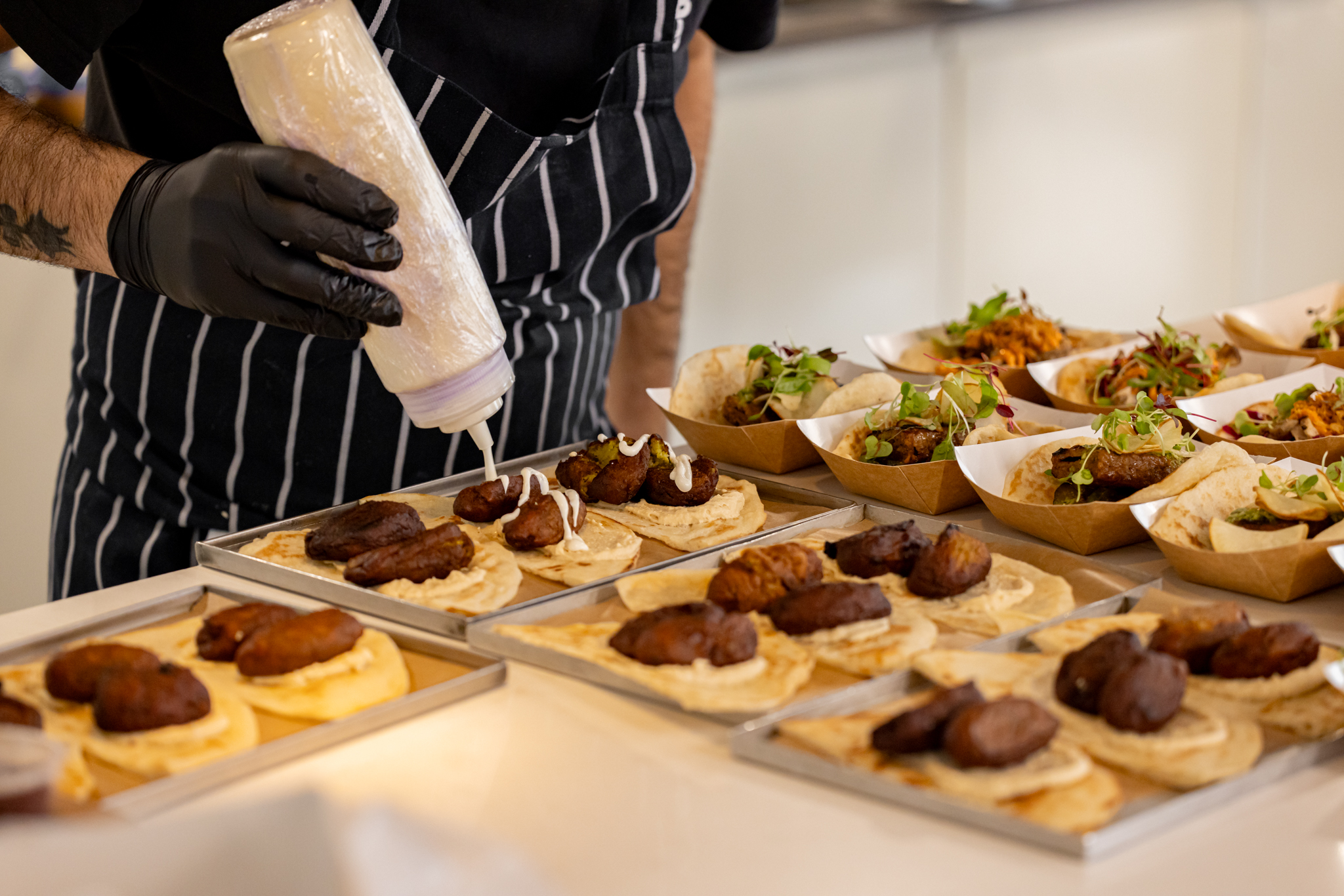
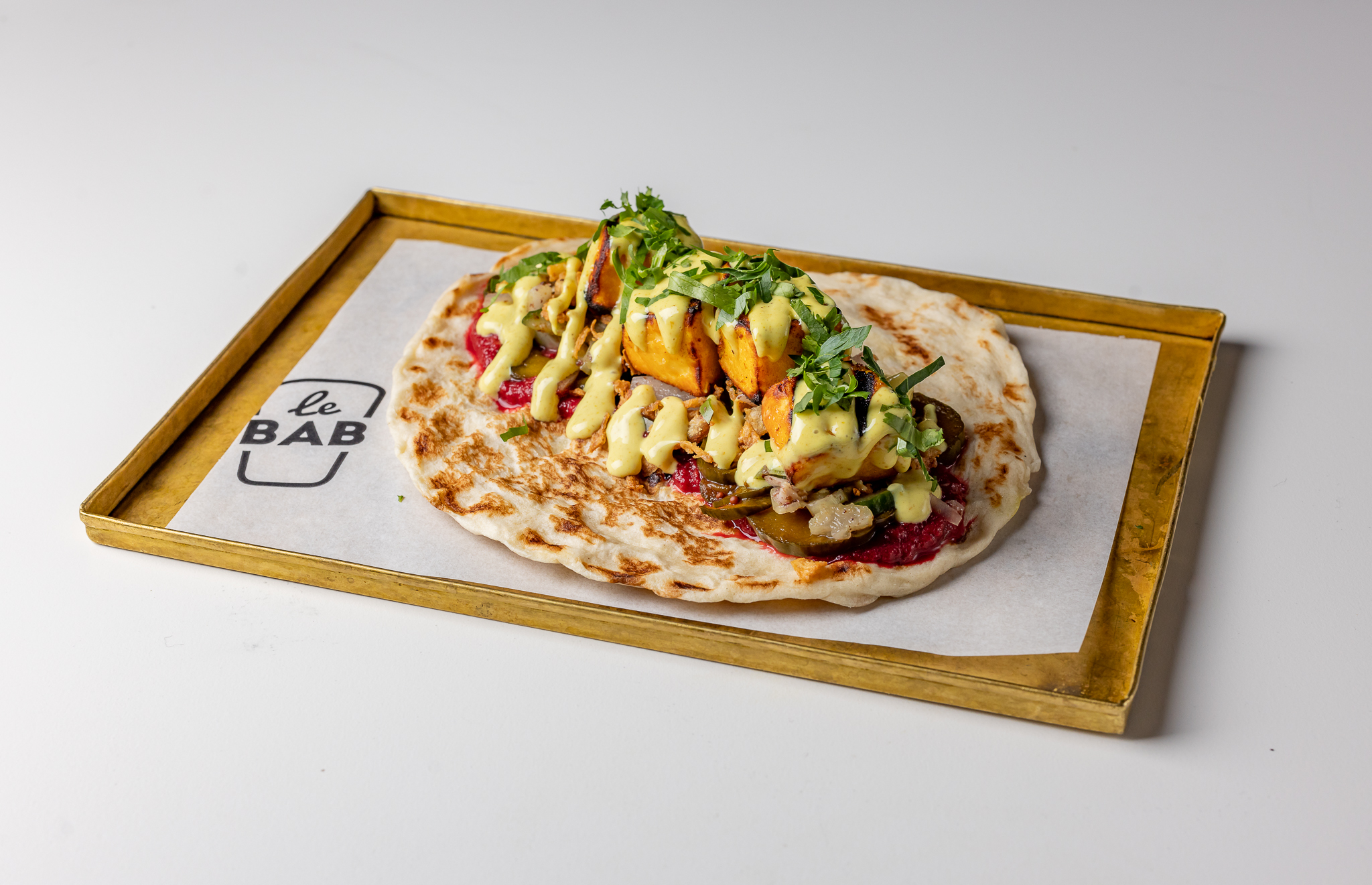
New to kebabs? A Chicken Shish or Lamb Doner is the easiest place to start. Looking to cut back on meat? The Spice-Roast Aubergine Sabich or Paneer kebab are both worth seeking out. You'll find all of them on Le Bab's menu, built by chefs who take the format seriously whether you're a regular or trying your first kebab.
FAQs
What is a kebab?
A kebab is meat, or a plant-based alternative, that's marinated, seasoned and cooked over direct heat or on a rotating spit, usually served with bread, salad and sauce.
What are the main types of kebab?
The most common types are shish (skewered and grilled), doner (slow-rotated and sliced), Adana (minced and flame-grilled), chicken kebab, and fish kebab, alongside a growing range of vegan and vegetarian versions.
What defines a kebab, technically speaking?
It's less a single recipe and more a shared method: bold spicing, high-heat cooking, and typically meat or a plant-based substitute served with bread and sauce. The specific cut, marinade and cooking technique are what separate one type of kebab from another.
What's the most popular type of kebab in the UK?
Doner kebab is generally considered the most popular and recognisable type in the UK, thanks to its widespread availability on high streets across the country.
Are there vegetarian or vegan types of kebab?
Yes. Plant-based kebabs built from ingredients like aubergine, paneer, seitan or jackfruit are now common on kebab restaurant menus, seasoned with the same spice blends used in traditional versions.