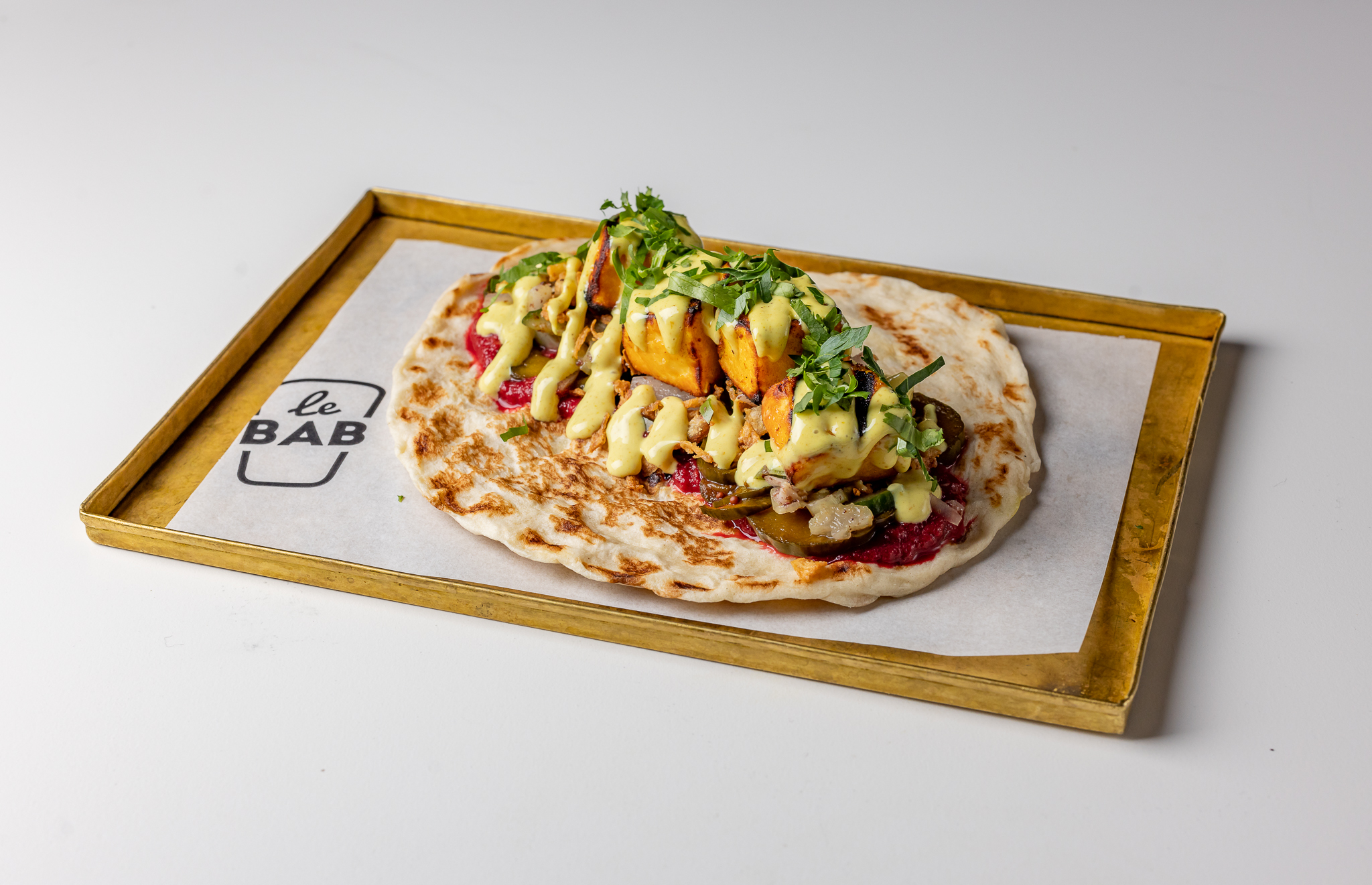
Event Catering Checklist: 8 Essential Checks for a Seamless Event
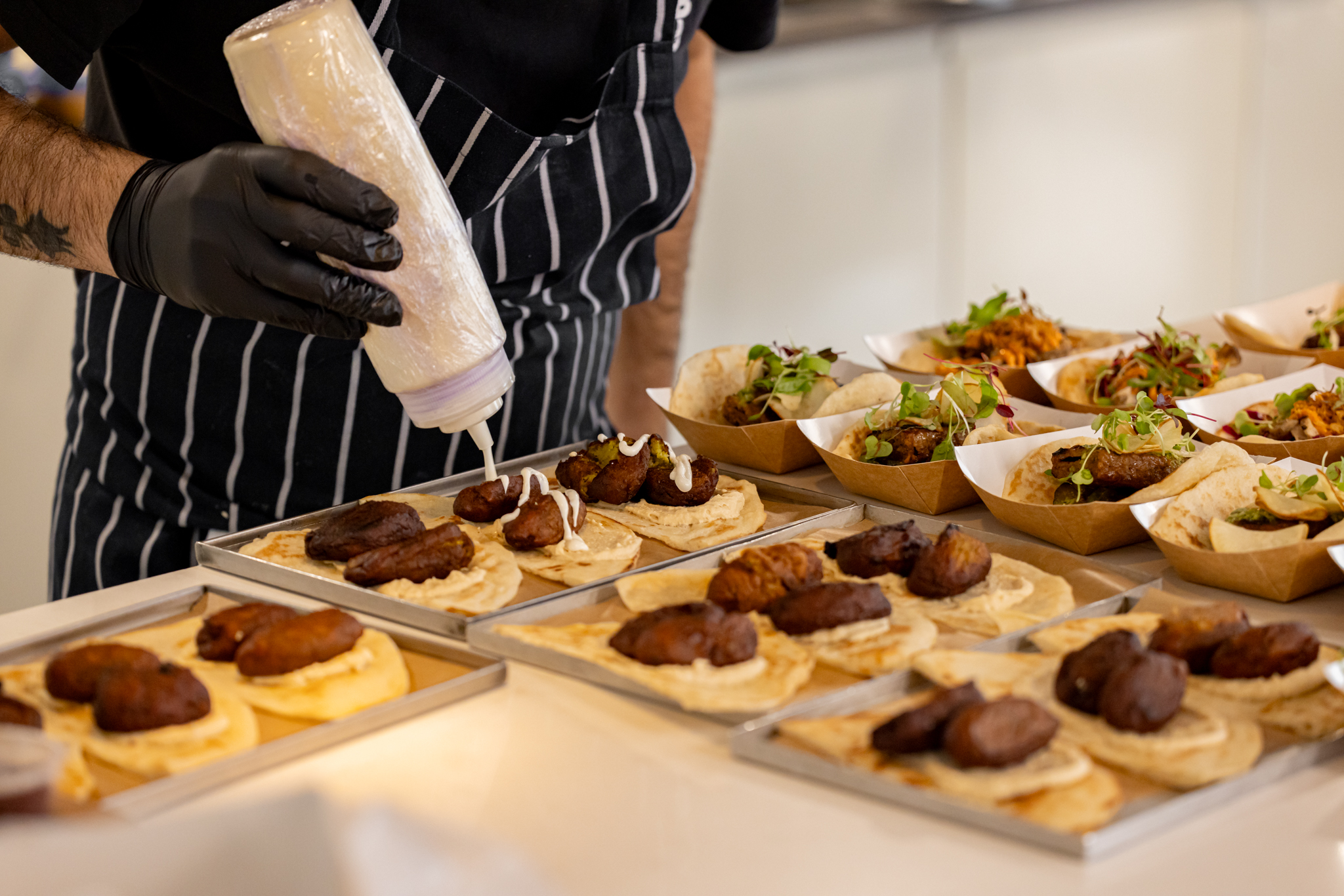
Event Catering Checklist: 8 Essential Checks for a Seamless Event
Before booking event catering, check the menu, guest numbers, dietary needs, allergy handling, service style, timings, venue logistics, and contingency planning. The more clearly these points are agreed in advance, the smoother the event usually feels on the day.
Food can make or break an event. Great catering does more than feed guests well. It helps the day run smoothly, keeps service organised, and gives people confidence that every detail has been thought through. If you are planning a celebration, work event, or private gathering in London, Le Bab’s catering and events pages are a useful place to start.
1. Confirm the event format and guest numbers
A smooth event starts with the basics. Before you get into menu choices, make sure the caterer understands the type of event, the expected guest count, and how people will be served.
A standing reception, office lunch, wedding, and private dinner all need different pacing and different food formats. Getting this clear early helps shape everything else, from portion sizes to staffing and setup.
2. Build a menu that suits the occasion
A good event menu should match the style of the occasion, the venue, and the way guests will eat. Lighter bites may suit a reception, while a buffet or seated meal may work better for a longer event.
It also helps to think about what guests will realistically enjoy. Seasonal dishes, familiar favourites, and a few more distinctive options often work better than a menu that tries to do too much at once. A more tailored approach usually makes the food feel considered rather than generic.
3. Gather dietary requirements early
One of the most important checks is collecting dietary information before the final week. Vegetarian, vegan, gluten-free, dairy-free, halal, and other guest needs should be gathered early enough for the menu to be planned properly.
Good catering for dietary requirements is not just about adding one alternative plate. It means making sure the menu feels complete for everyone at the event, with enough choice and clear communication around what each option includes. This matters whether you are planning a private celebration, a wedding catering setup, or a more structured corporate catering event.
4. Manage food allergies with a clear step-by-step plan
If you are wondering how to manage food allergies at an event, keep the process simple:
- collect allergy information from guests in advance
- share that information clearly with the caterer
- make sure dishes are identified clearly on the day
- ensure serving staff know what they are offering
Catering for food allergies needs its own clear plan. Allergy notes, ingredient concerns, and menu adjustments should not be scattered across different emails or left until the last minute. A single, organised list is much easier for everyone to follow.
5. Confirm service style, timings, and staffing
Even a good menu can fall flat if the service plan is unclear. Ask when food will be served, how it will be served, who will manage the flow of the event, and how staffing will work across setup, service, and clearing.
For London events, especially, timing matters. Venue access windows, traffic, and loading restrictions can all affect how smoothly catering runs. Agreeing on these details early helps avoid rushed setup or awkward delays later on.
6. Make the venue and logistics part of the food plan
A venue always affects the catering. Some spaces have full kitchen access, while others rely on prep areas, brought-in equipment, or tighter setup windows. It is worth checking what the catering team needs in terms of access, power, water, waste collection, and serving space.
This practical side is often overlooked, but it has a big effect on how relaxed the event feels. A well-planned event usually looks effortless because the behind-the-scenes logistics have already been thought through properly.
7. Agree lead times, final numbers, and sign-off points
One of the easiest ways to avoid confusion is to confirm the timeline before the event. Everyone should know when final guest numbers are due, when the menu needs to be signed off, and when dietary and allergy notes must be submitted.
Clear planning points usually include:
- confirming guest numbers
- finalising the menu
- recording dietary and allergy notes
- agreeing service timings
- checking venue logistics
- confirming who is responsible on the day
When these steps are agreed in advance, the event feels far more manageable for both the host and the catering team.
8. Check the backup plan before the day arrives
A seamless event usually depends on preparation, not improvisation. It is worth asking what happens if timings shift, guest numbers change slightly, or the venue setup takes longer than expected.
A simple contingency plan helps keep the event calm if something changes on the day. That does not need to be dramatic. It just means knowing who is making decisions, how the service will adapt, and what the team will prioritise if the schedule moves.
The best event catering plans are the ones that feel clear before the event even begins. Menu choices, timings, staffing, venue logistics, and guest needs all matter, but the strongest plans keep those details simple and organised.
If you are planning an event and want the food side to feel smooth from the start, use this checklist early and give yourself enough time to confirm the details properly. For next steps, explore Le Bab’s catering, events, corporate catering, or wedding catering pages.
FAQ
What should I check before booking event catering?
Check the menu, guest numbers, dietary needs, allergy handling, service style, timings, venue logistics, and backup planning. These are the details most likely to affect how smooth the event feels on the day.
How do I manage food allergies at an event?
Collect allergy information early, share it clearly with the caterer, make sure dishes are identified properly, and ensure serving staff know what they are offering.
How far in advance should I confirm event catering details?
It is best to confirm guest numbers, menu choices, dietary notes, and service timings before the final week, so the catering team has enough time to prepare properly.
Why does venue logistics matter for catering?
The venue affects setup time, access, equipment needs, prep space, and service flow. Even a strong menu can be harder to deliver smoothly if those details are not confirmed early.