Wedding catering packages with prices: buffet costs, menus and questions to ask
Wedding food is one of those details guests remember long after the last glass is cleared. They may forget the exact flowers or the font on the place cards, but they will remember whether the meal felt generous, whether there was enough choice, and whether the food suited the mood of the day.
That is why couples often start searching for wedding catering packages with prices early in the planning process – not just to find a number that fits the budget, but to understand what that number includes, how the food will be served, and whether the experience will feel relaxed, thoughtful and properly looked after.
This guide covers the key factors behind buffet catering wedding costs, how to compare wedding caterers’ prices, what to ask before booking, and how to plan buffet-style wedding food for London venues so it feels generous rather than generic.
Understanding wedding catering packages and prices
A wedding catering package is a bundled food and service option that may include canapés, mains, sides, desserts, evening food, staff, equipment, setup and clear-down – depending on the caterer. Some packages are fixed; others allow couples to adjust the menu, service style and number of courses, especially when comparing different wedding buffet catering services and what each one includes.
When reviewing wedding catering packages and prices, do not compare only the headline figure. One quote may include staff, setup, crockery and VAT. Another may cover the food alone. A lower price can quickly lose its appeal once you factor in plates, delivery, serving equipment and someone to manage the meal on the day.
Before committing to any package, ask whether the quoted price includes:
- Food only, or staffed service
- Setup and clear-down
- Crockery, cutlery and serving equipment
- VAT
- Delivery and travel costs
- Dietary adaptations
- Menu tasting
- Canapés or arrival food
- Desserts and evening food
- Drinks or bar support
The best packages are transparent enough that you understand the full cost before you sign anything. If a quote feels vague, ask for a line-by-line breakdown.
What shapes wedding caterer costs
Wedding caterer costs can vary widely because no two weddings are the same. A small lunch for close family, a relaxed buffet reception and a full-day wedding with canapés, dinner, drinks and late-night food all require very different levels of planning and service.
The price is usually shaped by:
- Number of guests
- Menu complexity and ingredient choices
- Service format and staffing level
- Venue location, kitchen facilities and access restrictions
Equipment and tableware needs
Travel, setup time and event duration
Whether drinks, evening food or morning food are included
Food is only one part of the quote. If your venue has limited kitchen access, tight delivery windows or shared facilities, the caterer may need more time, staff or equipment – all of which affect the final figure, even when the menu looks straightforward.
A useful question to ask any caterer is: “What would change the price up or down?” This helps you make practical decisions without guessing.
A higher service level – staffed buffet, multiple food moments, dietary-specific dishes, evening food, drinks support – will naturally cost more than a simple food drop-off. That does not mean you need the most expensive option. It means the catering should match the shape of your day. A good caterer will help you decide where to spend and where to simplify.
Planning buffet catering for your wedding
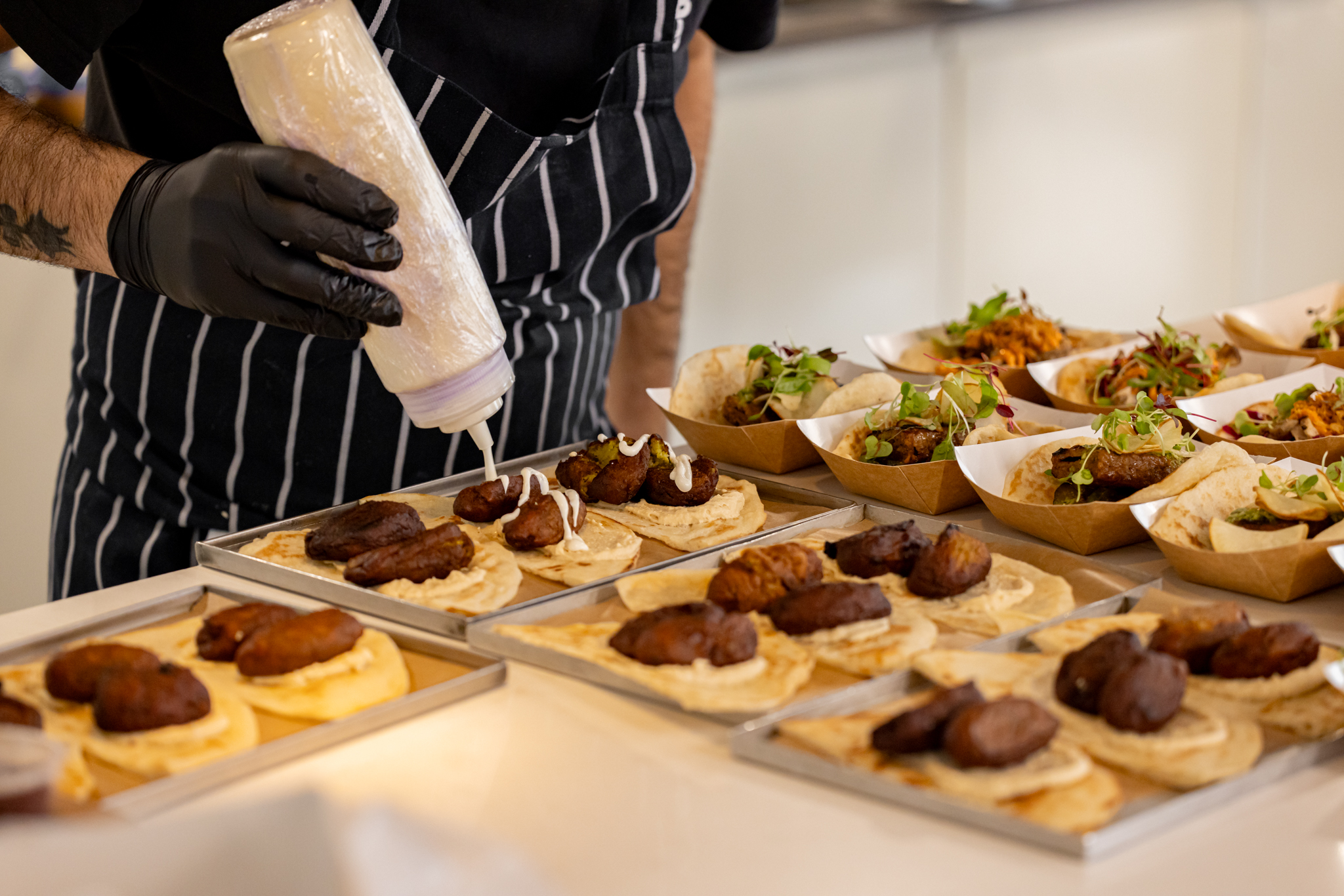
Buffet catering for wedding celebrations works well for couples who want the meal to feel generous, flexible and sociable. A buffet gives guests more choice and can create a warmer, more relaxed atmosphere than a traditional plated meal – but it still needs structure. Guests should know where to go, what they can eat and how the food will flow. The best buffet food for wedding receptions should hold well, serve neatly and still look appealing after many guests have passed through the line.
When planning the setup, consider:
- Whether guests approach from one side or both
- Whether staff serve or guests help themselves
- How vegetarian, vegan and allergy-friendly dishes are labelled
- Where plates, napkins and cutlery are positioned
- How quickly dishes can be replenished
- Whether older guests or children need easier access
The best buffets feel relaxed to guests because the details have been carefully planned behind the scenes. Good buffet catering for a wedding feels abundant without feeling chaotic.
Logistics for city venues
City venues can be beautiful, but they often come with specific access rules, delivery windows, loading restrictions, shared kitchens or limited prep space. Before finalising the menu, check:
- What kitchen or prep space is available
- Whether the caterer can load in and out easily
- Whether there is fridge space on site
- Where the buffet will be positioned in the room
- Whether staff can clear plates during the event
- Whether the venue has preferred supplier rules
For city weddings, the food plan should be shaped around the venue as much as the menu. A compact room may need a staffed buffet or smaller food stations. A larger space may allow a more generous spread. Either way, the food should feel natural in the setting.
Building a wedding buffet menu
A strong wedding buffet menu has balance – it gives enough variety to suit different guests, but not so many dishes that the meal feels scattered. The best menus have a clear point of view: they should feel like they belong to your wedding, not like a generic event menu copied from somewhere else.
A well-rounded buffet typically includes:
- One or two main dishes
- A vegetarian or vegan option
- Fresh salads
- Warm sides
- Breads, dips or sauces
- Something colourful and something comforting
- A dessert or sweet bite
- Optional evening food
Think about contrast: warm and fresh, rich and light, familiar and surprising. Guests often remember a buffet when it gives them genuine choice without feeling overwhelming. And think practically: a dish that needs perfect plating may not be the right buffet choice, even if it tastes wonderful.
Budget-conscious buffet food that still feels generous
Planning wedding buffet food on a budget is about spending carefully, not cutting corners guests will notice. Simple does not mean plain or careless – it means food that is easy to serve, easy to enjoy and built around ingredients that do not need unnecessary fuss.
Practical ways to manage the budget:
- Choose fewer dishes and make them excellent
- Use seasonal ingredients
- Focus on filling sides: grains, warm breads, roasted vegetables, sharing plates
- Avoid overly complex plating
- Be precise about guest numbers
- Ask what equipment, staff and clear-down are included in the quote
The danger is reducing quality or service too far. A simpler menu that is well executed will almost always feel better than a large menu that feels stretched. Even on a tight budget, presentation matters – simple dishes can feel special when served with care.
Breakfast and brunch options
Breakfast or brunch food can be a lovely choice for morning ceremonies, early receptions or day-after gatherings. Pastries, fruit, yoghurt, eggs, savoury wraps, coffee, tea, juices and lighter sharing dishes can feel celebratory without needing a formal meal structure. Morning events often move quickly, so the food needs to arrive and be set up smoothly.
Tipping your wedding caterer
In the UK, tipping is not always expected in the same way as in some other countries, but some couples choose to tip if the team has provided excellent service. Before deciding, check whether a service charge is already included in your catering quote.
If service is included, an additional tip is entirely optional. If it is not included and the team went above and beyond, you may choose to thank them with a tip or a written note. If you do tip, ask the catering manager how gratuities are shared – some teams split them between chefs, servers and setup staff. A sincere thank-you also goes a long way. Wedding catering is physical, detailed work.
Questions to ask your wedding caterer
The right questions can prevent confusion and reveal whether a caterer has truly thought through the practical side of your day. Try to be specific: instead of “Can you do a buffet?” ask “How would you serve a buffet for 80 guests in a venue with limited kitchen space?”
Use these questions for your wedding caterer before confirming the booking:
- What exactly is included in the quote – food, staff, VAT, delivery, equipment, setup, clear-down?
- How do you manage dietary requirements and allergen labelling?
- How is the buffet replenished during service?
- Can the menu be adapted, and at what point?
- How much setup space and prep time do you need?
- How many staff would you recommend for our guest count and venue?
- What is the payment schedule and cancellation policy?
- What happens if timings change on the day?
- When do you need confirmed guest numbers?
- What happens to leftover food after the event?
A good caterer will welcome these questions. They show that you care about the guest experience, not just the menu.
Wedding catering is not only about choosing dishes. It is about choosing how the meal will feel. A buffet can be relaxed and elegant. A budget-conscious menu can still feel generous. A simple package can work beautifully if the service, timing and presentation are right.
The best wedding food feels connected to the couple and comfortable for the guests. It gives people something to enjoy together and helps the day breathe.
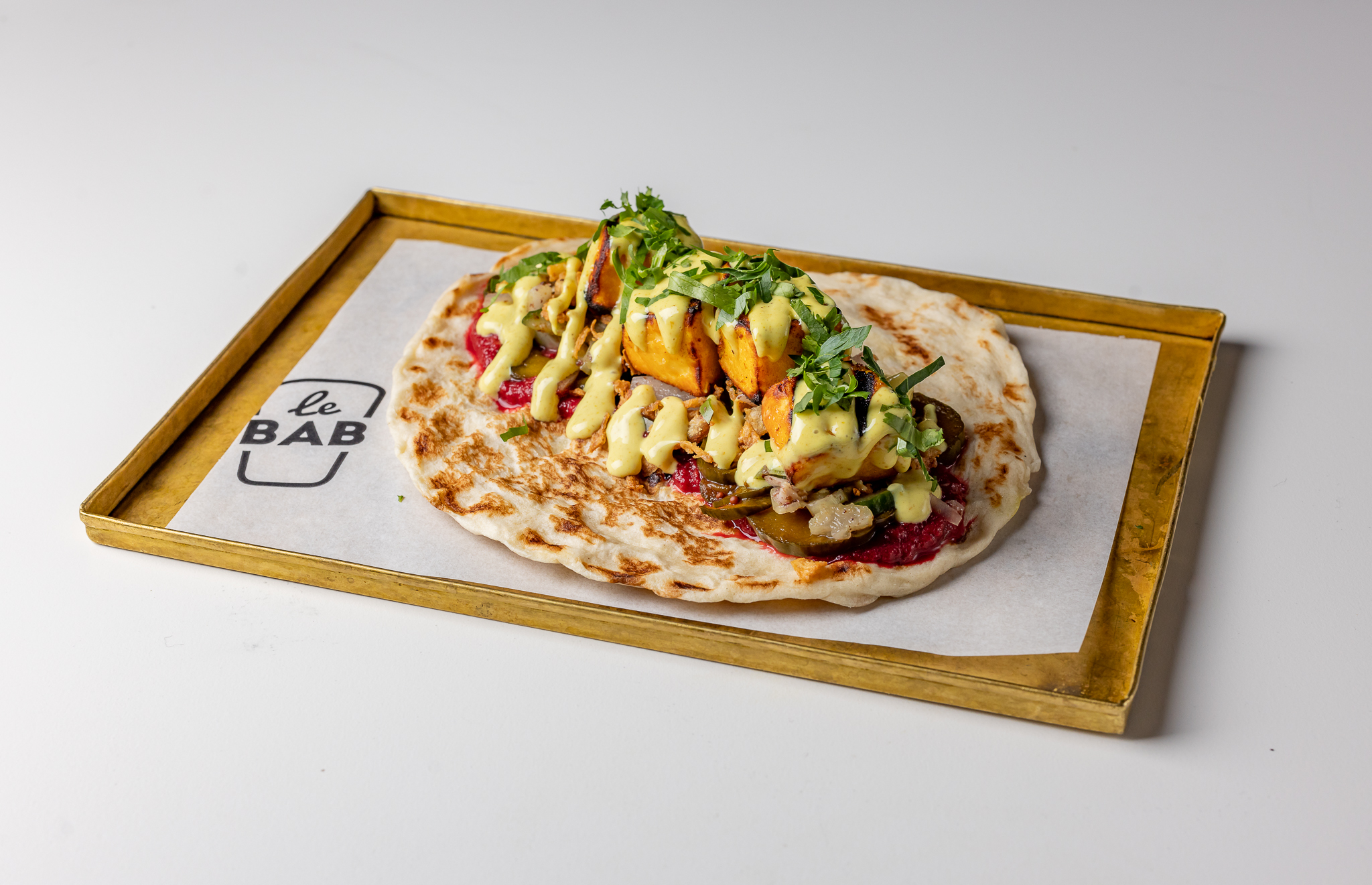
For tailored wedding food, visit Le Bab’s wedding catering page. For wider event catering, see catering services. For wedding spaces, private rooms or venue hire, explore events and venue hire and private dining.
FAQs
What affects buffet catering wedding costs?
Guest numbers, menu style, staffing, equipment, venue access, service duration, delivery, dietary requirements and whether drinks or evening food are included all play a role.
How do I compare wedding catering packages with prices?
Check what each quote actually covers: food, staff, VAT, delivery, equipment, setup, clear-down, dietary adaptations, tastings and evening food. A lower headline figure can become less attractive once extras are added.
What are wedding caterers’ prices typically based on?
Usually guest count, menu complexity, service style, staffing level, venue location and logistics, equipment needs and event duration.
What is a realistic wedding caterer cost?
It depends on the level of service. A simple drop-off buffet will cost less than a staffed full-day package with canapés, dinner, drinks and late-night food. Ask for a breakdown that reflects your actual day.
Is budget wedding catering a good idea?
It can work well when the menu is simple, focused and well planned. The risk is in cutting staffing, food quality, dietary provision or equipment too far. Fewer dishes done well is almost always better than a long menu that feels stretched.
What should a wedding buffet menu include?
A balanced selection of mains, a vegetarian or vegan option, sides, salads, breads or dips, sauces, desserts and, where appropriate, evening food.
What are the most important questions to ask a wedding caterer?
Cover pricing, staff, VAT, equipment, dietary needs, setup and clear-down responsibilities, menu flexibility, timing, guest number deadlines, payment terms and what happens to leftovers.
Do you tip a wedding caterer in the UK?
It is optional. First check whether a service charge is already included in your quote. If not, a tip or a thoughtful written note is a welcome way to recognise excellent service.