Best Mezze Dishes for Sharing: How to Build a Table Everyone Can Enjoy
Quick answer
Mezze dishes are small plates designed for sharing, usually built from dips, breads, vegetables, proteins and sauces. They work well for groups because guests can try several dishes without committing to one main course, which makes mezze one of the easiest ways to feed a mixed table of tastes and appetites at once.
A good mezze spread isn't just a random collection of small plates – it's balanced across textures and flavours, so the table has something cool and something warm, something rich and something sharp, without any single dish dominating.
What are mezze dishes?
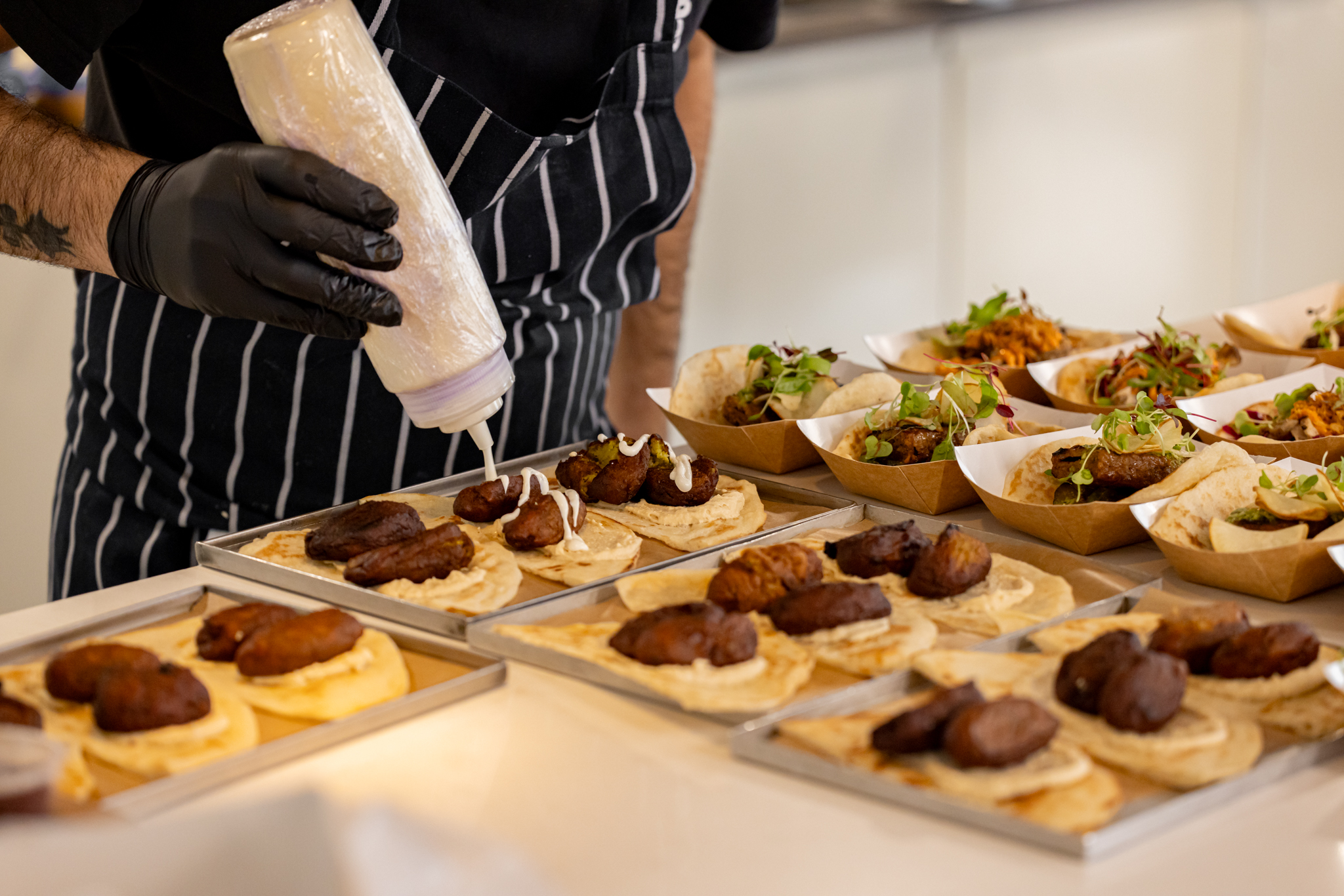
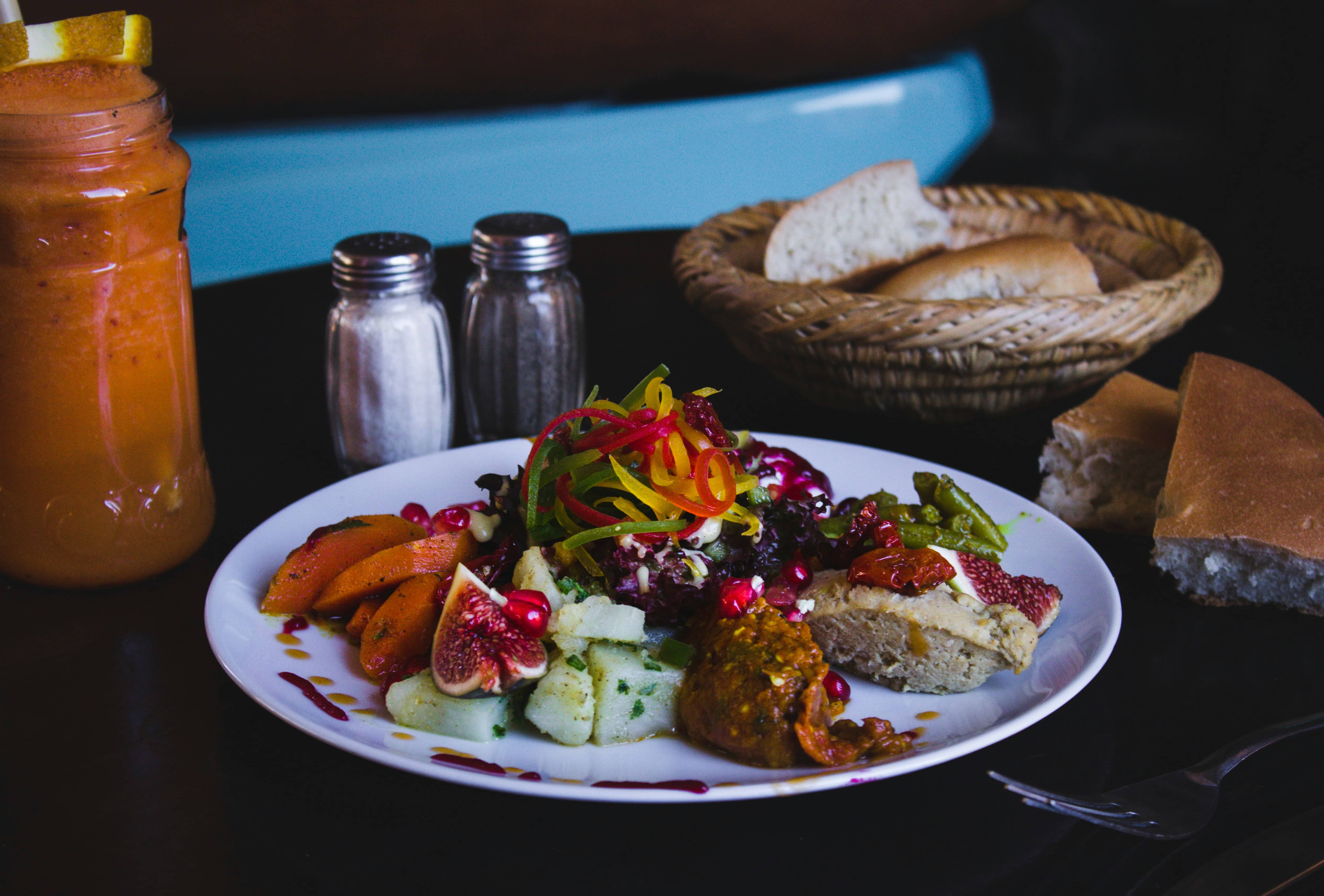
Mezze refers to a style of small, shareable dishes served together rather than in courses, most associated with Middle Eastern, Lebanese and Mediterranean dining. A typical spread includes dips such as hummus or baba ganoush, warm flatbread, marinated vegetables, grilled or fried proteins, and sauces or pickles that cut through richer dishes.
How do you build a balanced mezze table?
A well-balanced mezze table mixes at least one dip, one bread, one vegetable-led dish, one protein and one sauce or pickled element. This spread of textures – creamy, crisp, charred, tangy – keeps the table interesting without needing a large number of dishes.
Are mezze dishes good for sharing?
Yes – mezze is built specifically for sharing rather than individual portions, which makes it a natural fit for group dinners, date nights and family meals where people want to try a range of flavours at one table.
What sauces and sides go well with mezze?
Sharp, acidic sauces such as pickled chilli, tahini-based dressings or a lemon-forward yoghurt work well alongside richer dips and grilled proteins, since they reset the palate between dishes. Warm flatbread is close to essential – most mezze dishes are designed to be scooped or wrapped rather than eaten with a fork.
Before you order, check:
- table size and how many dishes to order
- mix of dips, breads, vegetables, proteins and sauces
- dietary needs across the table
- whether the group prefers meat-forward or vegetable-forward dishes
- whether the meal is the main event or a starter to a larger menu
FAQs
What are mezze dishes?
Small, shareable plates – typically dips, breads, vegetables, proteins and sauces – served together rather than as separate courses.
Are mezze dishes good for sharing?
Yes, they're specifically designed for a table to share, which makes them well suited to groups, couples and mixed dietary needs.
How many mezze dishes should you order per person?
As a rough guide, one to two dishes per person across the table gives enough variety without overordering.
Can mezze work for a vegetarian table?
Yes – mezze naturally leans on vegetables, dips and grains, so a vegetarian-forward spread doesn't need a separate menu.
What's the difference between mezze and a starter?
Mezze is designed to be the meal itself when ordered across several dishes, rather than a small course before a single main.
Try mezze at Le Bab
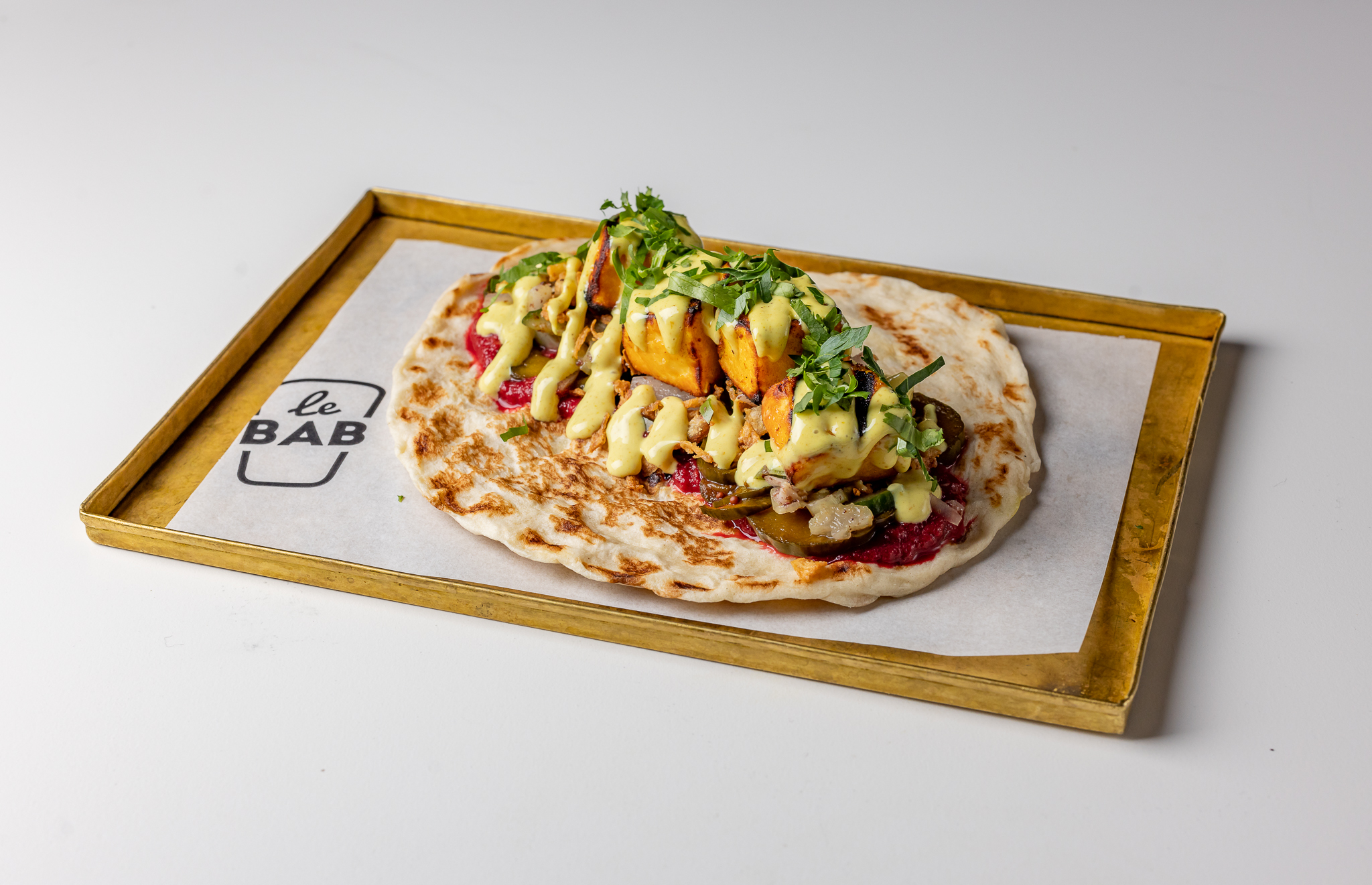
Le Bab's menu includes a range of mezze-style dips, sides and sharing plates alongside its kebabs, designed to be ordered across the table rather than one dish per guest.
See the full menu for the current mezze and sharing options, or read more on group dining in Soho for ideas on building a shared table for a group.
Find your nearest Le Bab on the locations page, or get in touch about private dining for a larger mezze-led table.