What Types of Catering Services Are There? A London Guide from Le Bab
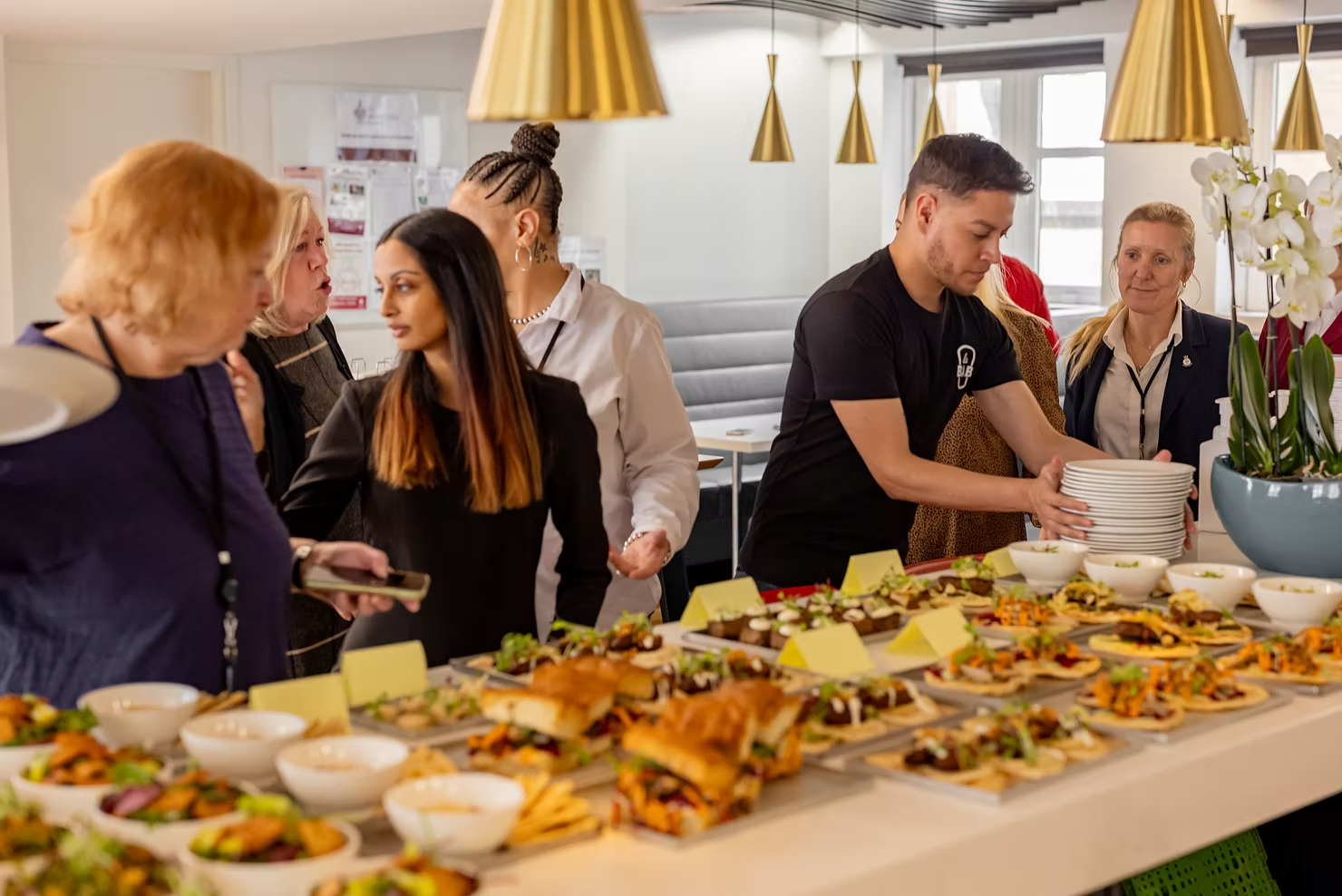
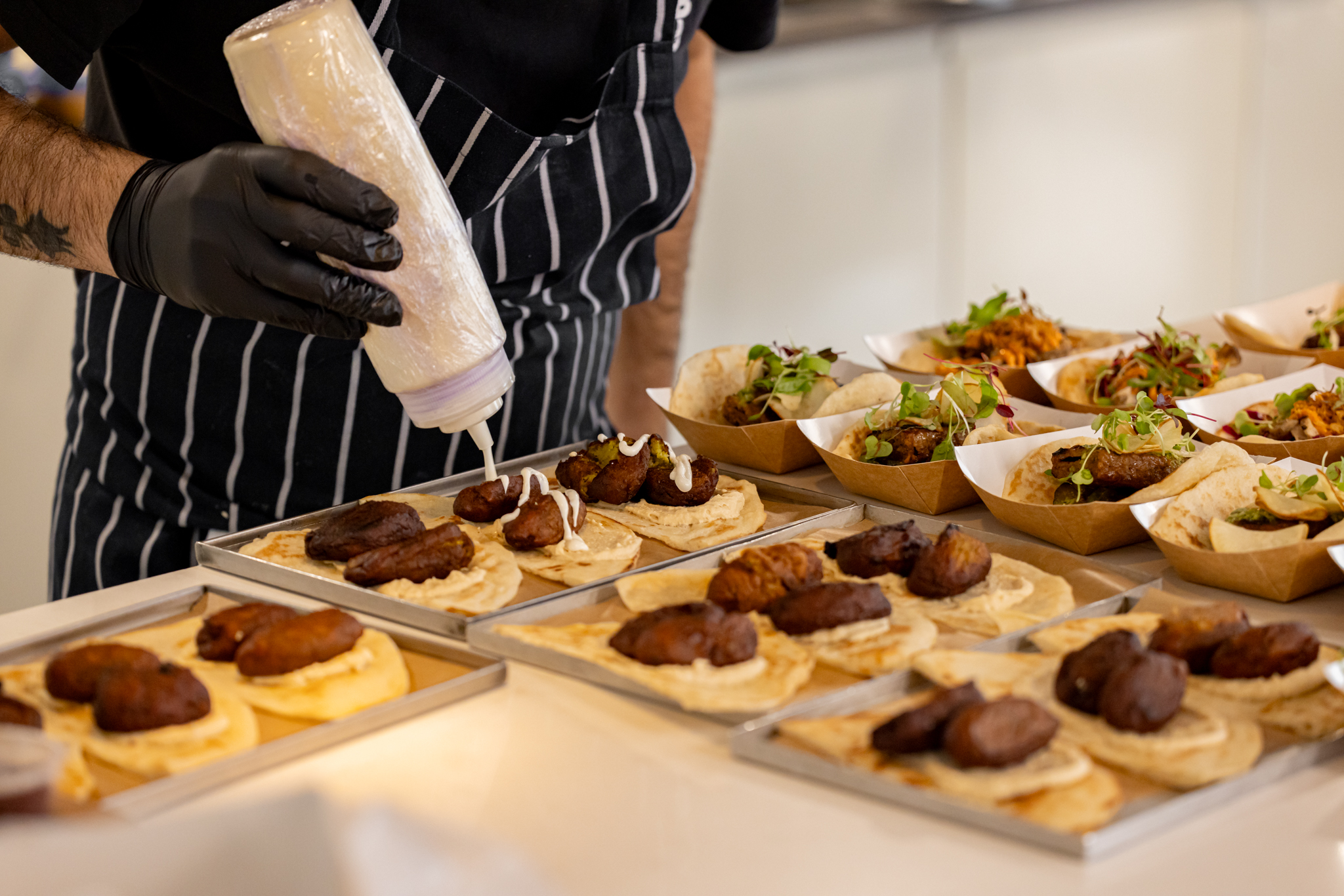
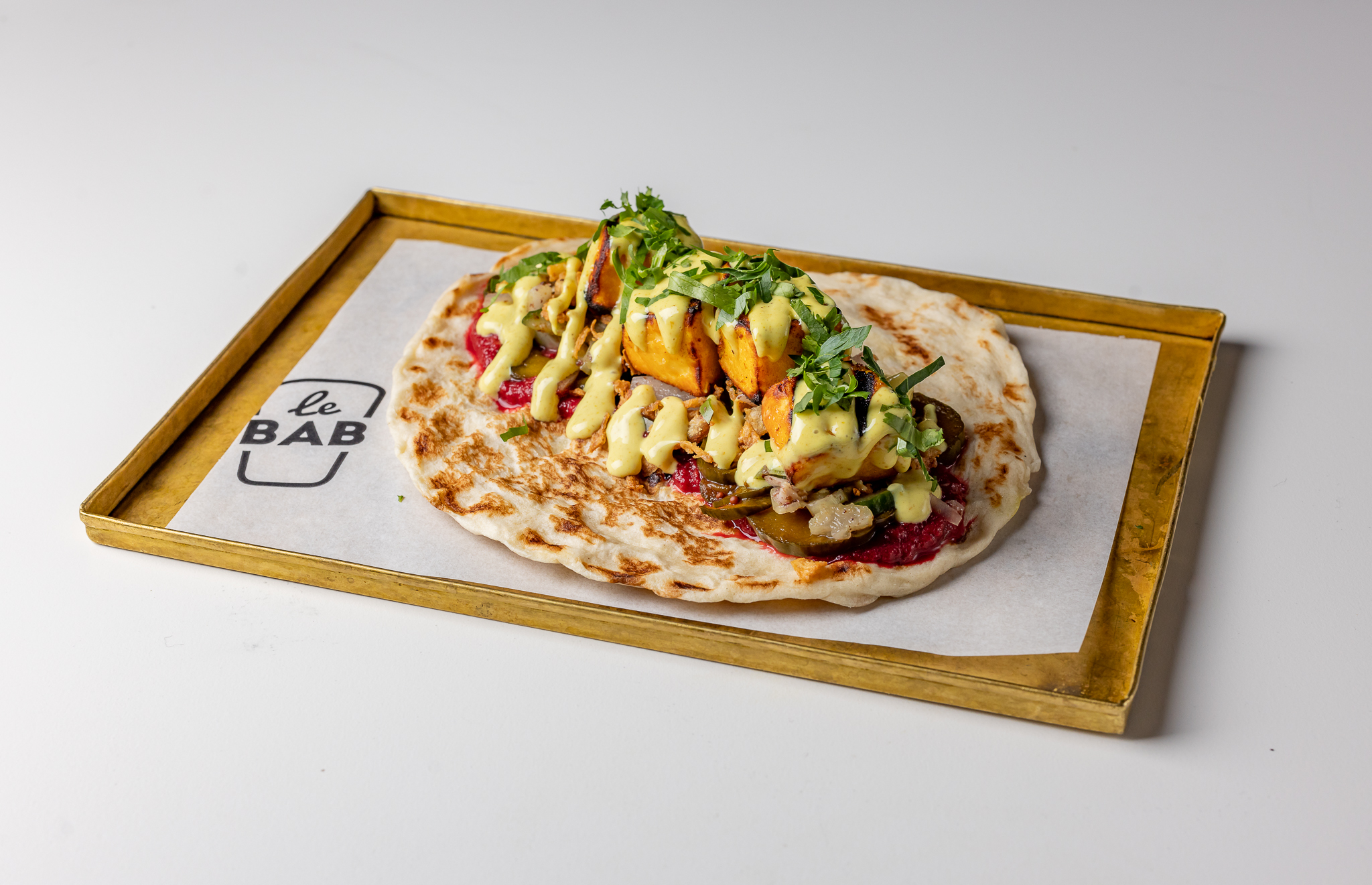
Choosing a caterer is much easier when you understand the service types first. Some events need simple drop-off food. Others need a full team, drinks service, equipment, and on-site coordination. This guide explains the main catering formats available in London, how they usually work, and where Le Bab fits into that picture through its catering, corporate catering, wedding catering, and events offering.
London adds its own layer too. A wedding in Covent Garden, a brand dinner in Soho, a private event in Battersea, or a celebration in Shoreditch may all need different timings, layouts, and levels of setup. That is why it helps to look at catering by event type and service format, rather than treating every job as the same.
What types of catering services are there?
Most people compare five core categories first:
- corporate catering
- wedding catering
- private event catering
- venue catering
- film set catering
Within those categories, the service style can vary. One event may need a buffet, another a canapé reception, and another a full-service setup with staff, drinks, and coordination on the day.
How does catering work?
In simple terms, catering usually starts with an enquiry, then moves into menu planning, guest numbers, dietary requirements, venue logistics, and service style. After that, the caterer confirms what is included, such as food, staff, drinks, setup, equipment, and clearing.
That matters because one event may only need food delivery, while another may need much more hands-on support. Understanding that difference early makes it easier to compare options properly.
Corporate catering
Corporate catering is usually designed for meetings, office parties, launches, networking events, and team celebrations. In practice, that can mean anything from a breakfast spread or buffet lunch to canapés, drinks, or a more structured seated meal.
For London businesses, this often comes down to timing, guest flow, and ease of setup. Office events usually need food that is practical to serve, easy to manage, and appropriate for the tone of the occasion.
Wedding catering
Wedding catering usually needs more personalisation than most other event types. Couples often want the menu to reflect the style of the day, work around dietary needs, and fit the flow of the venue rather than simply feed guests at a fixed time.
This is where service style matters just as much as the food itself. A relaxed sharing menu, a buffet, canapés, or a more formal dinner can all work well, but they suit different weddings and different venues.
How does wedding catering work?
Wedding catering usually involves more planning than a standard event. There is often more discussion around timings, service style, drinks, guest preferences, family expectations, and how the food fits the venue and the pace of the day.
That is why wedding catering works best when the planning feels clear from the start. Couples normally want to know not just what is on the menu, but how the whole service will run on the day.
Private event catering
Private event catering covers birthdays, dinner parties, celebrations, and social occasions that do not fit neatly into corporate or wedding formats. This is often where flexibility matters most, because guest numbers, venue style, and food preferences can vary a lot.
In London, private events can range from intimate dinners to larger parties in hired spaces, so the catering setup often needs to adapt to the location as much as the menu.
Film set catering in London
Film set catering has its own rhythm. Meals need to be reliable, practical, and timed around production rather than traditional event service. Crews may need breakfast, hot meals, snacks, drinks, or ongoing support across a long day.
This is one of the clearest examples of why a generic catering approach does not always work. What matters here is consistency, timing, and the ability to keep service running smoothly alongside a working set.
What is venue catering?
Venue catering usually means catering designed around the needs and constraints of a particular space. That may include access times, prep space, staffing flow, service style, and how the menu fits the atmosphere of the venue itself.
This is especially relevant in London, where a gallery, private dining room, railway arch, rooftop, or historic building can all require different planning. Venue catering is often less about one fixed menu and more about how the service works within the space.
Service formats: buffet, canapés, seated dining, and more
Alongside the event type, it also helps to think about the food format itself. Common formats include:
- canapé receptions
- buffet catering
- set-menu dining
- multi-course banquets
- hotbox drop-offs
- full-service on-site catering
This is where people often get mixed up. A wedding, for example, is an event type. A buffet or canapé reception is a service format. The best fit depends on the event, the venue, the guest list, and how formal or relaxed the occasion is meant to feel.
How to work out catering quantities
Catering quantities depend on guest count, event length, time of day, service style, and whether food is the main focus of the event or just one part of it.
A standing drinks reception with canapés needs a very different quantity plan from a seated dinner or buffet. That is why final numbers, timings, and menu format matter so much during the planning stage.
What does a full-service caterer include?
A full-service caterer usually does more than provide food. Depending on the event, that can include menu planning, service staff, drinks support, venue coordination, equipment, setup, clearing, and communication before the day.
This is one of the most useful distinctions to understand, because many clients are not really comparing menus first. They are comparing how much support they need.
From enquiry to event day
Most catering jobs follow a fairly simple process:
1. Initial enquiry
You share the basics: date, venue, guest numbers, and event type.
2. Menu and format planning
You discuss whether the event needs canapés, buffet service, seated dining, drinks, or a more mixed format.
3. Venue and logistics check
The caterer confirms timings, access, staffing, dietary requirements, and what needs to be brought in.
4. Event-day delivery
Food, service, setup, and coordination are handled according to the agreed plan.
The best catering choice depends on the type of event, the venue, the style of service, and the level of support needed on the day. Corporate events, weddings, private parties, venues, and film sets all ask for slightly different things, which is why it helps to understand the categories before making a decision.
If you are planning an event in London, Le Bab’s catering, corporate catering, wedding catering, and events pages are the best next step, depending on what you are organising.